Minimalist Home Decor Items: Creating Calm, Style, and Function in Every Space
Minimalist home decor focuses on simplicity, balance, and purposeful design. By choosing carefully curated items that combine function with beauty, you can create a calm, clutter-free living space that feels modern and inviting. This guide explores essential minimalist decor pieces that enhance your home without overwhelming it, helping you achieve a timeless and effortlessly stylish interior.
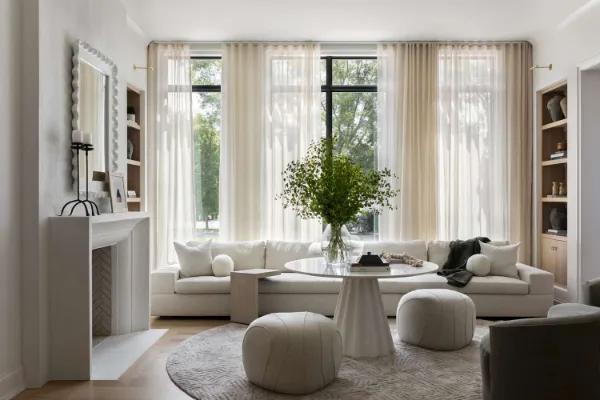
Minimalist home decor is more than a design trend — it’s a lifestyle choice rooted in simplicity, intention, and balance. In a world filled with visual noise and constant stimulation, minimalist interiors offer a refreshing sense of calm while maintaining elegance and functionality. By focusing on clean lines, neutral tones, and purposeful decor items, minimalist spaces feel open, timeless, and welcoming.
This guide explores minimalist home decor items, how to choose them, and how to style each room without clutter or excess.
What Is Minimalist Home Decor?
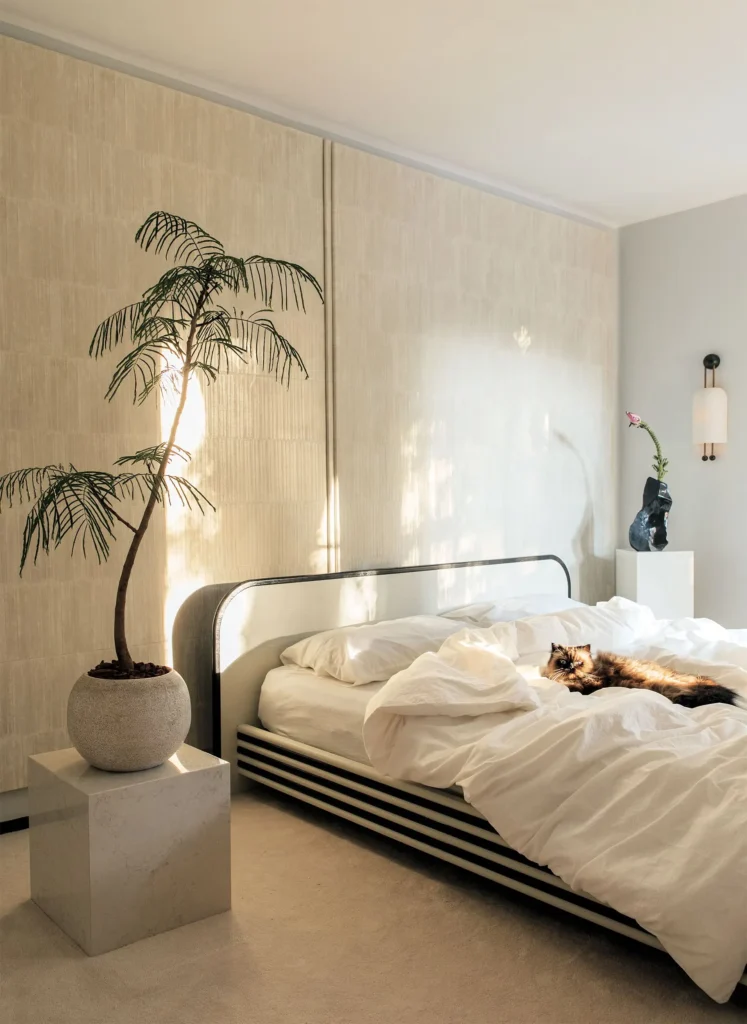
Minimalist home decor is based on the idea that less is more. Rather than filling a space with decorative objects, minimalism emphasizes quality over quantity. Each item serves a purpose — functional, aesthetic, or both.
Key principles include:
- Neutral and muted color palettes
- Clean lines and simple shapes
- Natural materials such as wood, stone, linen, and ceramic
- Open space and visual breathing room
- Thoughtful placement rather than abundance
Minimalism doesn’t mean cold or empty. When done well, it creates warmth through texture, light, and intentional design.
Essential Minimalist Home Decor Items
1. Neutral Textiles
Textiles are one of the easiest ways to soften a minimalist space without adding clutter.
Popular minimalist textile items include:
- Linen or cotton throw blankets
- Neutral area rugs with subtle patterns
- Simple cushion covers in beige, gray, or muted earth tones
These pieces add warmth and texture while maintaining visual simplicity.
2. Functional Furniture with Clean Lines
Minimalist furniture focuses on form and function. Pieces are often low-profile and free of ornate details.
Look for:
- Sofas with straight edges and solid colors
- Wooden coffee tables with simple silhouettes
- Floating shelves instead of bulky cabinets
Furniture should enhance the room’s flow, not dominate it.
3. Statement Lighting
Lighting plays a central role in minimalist decor. Instead of decorative clutter, lighting often becomes the focal point.
Minimalist lighting options include:
- Pendant lights with matte or metal finishes
- Sculptural floor lamps
- Soft, warm LED bulbs to create ambiance
Good lighting highlights space, texture, and natural shadows.
4. Wall Art with Intention
Minimalist wall decor avoids overcrowding. One or two thoughtfully chosen pieces can define a room.
Ideal minimalist wall art includes:
- Abstract prints with neutral tones
- Line drawings or black-and-white photography
- Single large artwork instead of multiple small frames
Negative space around artwork is just as important as the piece itself.
5. Natural Decorative Elements
Nature-inspired items bring warmth and balance to minimalist interiors.
Common choices:
- Ceramic or stone vases
- Dried pampas grass or eucalyptus
- Indoor plants with simple planters
These elements introduce organic texture without visual overload.
6. Storage That Blends In
Minimalism thrives on organization. Storage should be discreet and integrated into the design.
Minimalist storage solutions:
- Built-in shelving
- Neutral storage baskets
- Closed cabinets with flat fronts
When storage looks intentional, clutter disappears naturally.
Minimalist Decor by Room
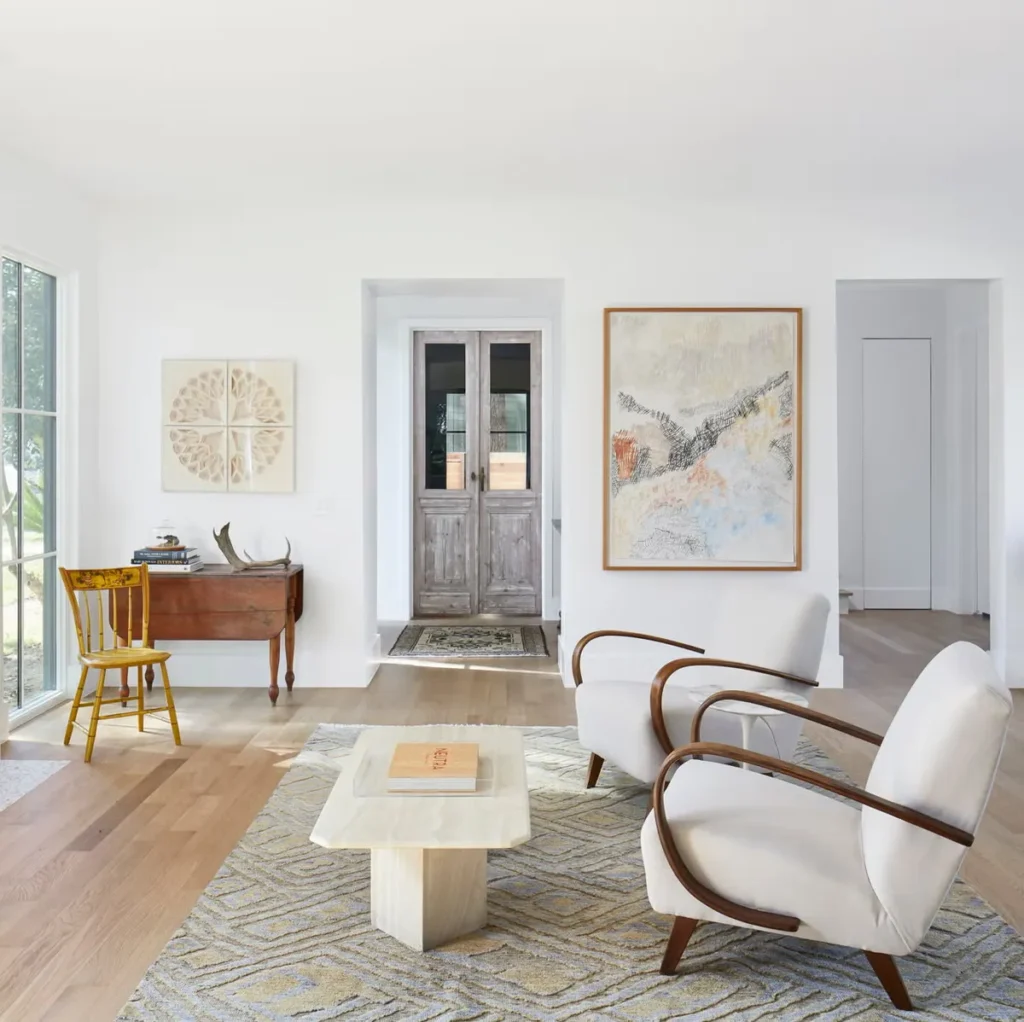
Living Room
Focus on comfort and openness. Choose one statement sofa, a simple rug, and a functional coffee table. Avoid excessive decor — one vase or book stack is often enough.
Bedroom
Minimalist bedrooms prioritize rest. Use neutral bedding, soft lighting, and minimal furniture. A bedside table, lamp, and single art piece create calm without distraction.
Kitchen
Minimalist kitchens favor clear countertops and concealed storage. Open shelving with a few matching items keeps the space functional and clean.
Bathroom
Use uniform containers, neutral towels, and natural materials like stone or wood. Simple accessories elevate the space without clutter.
Benefits of Minimalist Home Decor
Minimalist interiors offer more than aesthetic appeal:
- Reduced stress and visual fatigue
- Easier cleaning and maintenance
- Timeless design that doesn’t rely on trends
- Better focus on quality and craftsmanship
- Improved sense of space, even in small homes
Minimalism adapts well to apartments, family homes, and modern workspaces.
How to Start Decorating Minimally
- Declutter first – Remove items that serve no purpose
- Choose a neutral base – Whites, beiges, soft grays
- Invest in fewer, better items – Quality lasts longer
- Add texture instead of color – Wood, fabric, ceramics
- Leave space empty – Visual rest is part of the design
Minimalism works best when approached gradually and thoughtfully.
Final Thoughts
Minimalist home decor items are about intentional living. Each piece contributes to a balanced environment where comfort, beauty, and function coexist. Whether you’re redesigning an entire home or updating a single room, minimalist decor encourages clarity, calm, and timeless style.
By choosing fewer but more meaningful items, you create a space that feels lighter, more organized, and effortlessly elegant — a home designed not to impress, but to support everyday living.
Frequently Asked Questions (FAQ)
Minimalist home decor focuses on simplicity, functionality, and intentional design. It uses fewer items, clean lines, and neutral colors to create calm and organized spaces.
Neutral shades like white, beige, gray, and soft earth tones work best. These colors create balance and make spaces feel open and light.
Yes. Minimalist decor is ideal for small spaces because it reduces visual clutter and maximizes functionality and openness.
Use natural materials such as wood, linen, and ceramics, add soft lighting, and incorporate subtle textures rather than bold colors.
No. Minimalism is about choosing fewer, meaningful items. One or two carefully selected decor pieces can have more impact than many decorations.