What to Do When Online Deals Turn Out to Be “Fake”: Spot, Stop, and Recover Fast
Scammed by fake online deals? Don’t panic—dispute charges, report to FTC, and recover your money fast. Spot red flags like unreal prices & shady sites. Step-by-step guide with real stories inside!
You’ve clicked “Buy Now” on that jaw-dropping 80% off iPhone deal, heart racing with shopper’s high. Then… crickets. No confirmation email, no tracking number, and your money’s vanished into the digital ether. Fake online deals strike millions yearly, preying on our love for bargains amid economic squeezes. In 2025 alone, the FTC reported over $2.7 billion lost to online shopping scams—up 15% from prior years. But don’t panic. This guide breaks down how to spot phonies, act swiftly if duped, and shop smarter next time. Let’s turn regret into revenge.
Why Fake Deals Feel So Real (And Why We Fall for Them)
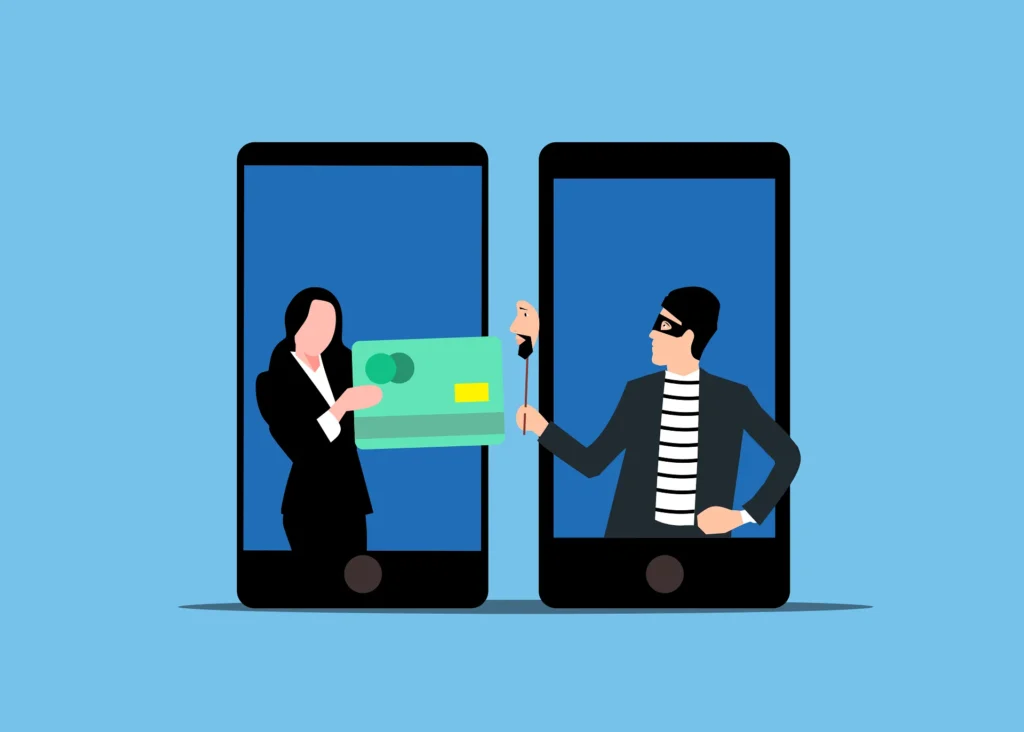
Online scammers are pros at mimicking legit retailers like Amazon or Shein. They use urgency (“Limited stock! Ends in 1 hour!”), social proof (fake 5-star reviews), and FOMO to hijack your brain’s reward center. Behavioral economics calls this the “endowment effect”—once you imagine owning that gadget, you’re hooked.
Common red flags:
- Prices too good to be true: A $1,000 laptop for $99? Physics-defying deals scream scam.
- Sketchy websites: Typos, broken English, or URLs like “amaz0n-deals.com” instead of amazon.com.
- Payment pressure: Insisting on wire transfers, gift cards, or crypto—legit sites take Visa/Mastercard.
- No contact info: Missing phone numbers, addresses, or real customer service.
Pro tip: Impulse buys spike 40% during sales like Black Friday. Pause, breathe, and verify.
Step-by-Step: What to Do Immediately If You’ve Been Scammed
Caught in a fake deal trap? Act within 24-48 hours for the best recovery odds. Here’s your battle plan.
1. Gather Evidence Like a Digital Detective
Screenshot everything: the site, ad, checkout page, receipt, and emails. Note the URL, date/time, and transaction ID. Tools like Full Page Screen Capture (Chrome extension) make this effortless.
2. Contact Your Payment Provider Pronto
- Credit cards: Dispute via your bank’s app or phone (e.g., Chase: 1-800-935-9935). Under FCBA, you’re protected for unauthorized charges up to $50.
- Debit cards: Faster action needed—funds vanish quicker.
- PayPal/Venmo: Log in, find the transaction, and select “Report a Problem.” They often reverse within days.
- Crypto? Tough luck—blockchain’s irreversible. Lesson learned for next time.
Success rate? Visa disputes win 90% if filed promptly.
3. Report the Scam to Authorities
Don’t let them scam again:
- FTC: Report at ReportFraud.ftc.gov (U.S.-focused but global impact).
- IC3: FBI’s Internet Crime Complaint Center at ic3.gov.
- Local options: In Macedonia, use the Ministry of Interior’s cybercrime portal or policija.mk.
- BBB Scam Tracker: Warns others instantly.
| Reporting Platform | Best For | Time to File |
|---|---|---|
| FTC.gov | U.S. consumers, broad scams | Under 60 days |
| IC3.gov | International cyber fraud | ASAP |
| PayPal Resolution Center | Payment-specific | 180 days |
| Local Police | MK/EU residents | Within 24 hours |
4. Monitor Your Accounts and Secure Everything
Change passwords, enable 2FA, and scan for malware with free tools like Malwarebytes. Freeze your credit via Equifax/TransUnion if details were exposed. Apps like Have I Been Pwned? check for breaches.
Real-Life Horror Stories (And How They Bounced Back)
Meet Sarah from Skopje: Spotted a “Shein flash sale” on Facebook—€20 dresses. Paid via wire transfer. Site ghosted. She disputed with her bank (won €150 back), reported to FTC, and shared on Reddit’s r/Scams. Now she’s a vigilant shopper.
Or take Mike’s crypto nightmare: Bought “discounted Bitcoin mining gear” for $500 in ETH. Gone. He recovered nothing but launched a TikTok series exposing fakes, gaining 50K followers.
Humor break: Fake deals are like that ex who promises the world but leaves you broke and blocking their number. Block, report, move on.
Prevention: Shop Smarter, Not Harder
Turn yourself into scam-proof armor.
- Verify sites: Use Google reverse image search on logos or WhoIs.com for domain age (scams under 6 months? Red flag).
- Stick to trusted hubs: Amazon, eBay, official brand sites. Browser extensions like Honey or Capital One Shopping flag risks.
- Hunt real deals: Check RetailMeNot, Slickdeals, or HotUKDeals for verified codes.
- Psychology hack: Set a “cool-off” rule—wait 30 minutes before buying.
For tech lovers: iPhone deals? Only from apple.com or authorized resellers. Use Incognito mode to dodge cookie trackers inflating prices.
Legal Recourse and Long-Term Protection
If losses exceed $1,000, consult a consumer lawyer via Avvo.com. EU folks: GDPR gives data rights—demand seller info. In MK, Consumer Protection Agency (zps.gov.mk) handles complaints.
Build habits:
- Virtual cards (e.g., Privacy.com) limit exposure.
- VPN for public Wi-Fi shopping.
- Annual credit freeze.
FAQs: Quick Answers to Top Questions
Often bogus—check with real carriers like DHL. If nothing arrives in 7-10 days, dispute.
Yes, Amazon’s A-to-Z Guarantee covers third-party fakes. Report via their site.
Facebook/Instagram: 25% of ads lead to scams per Better Business Bureau.
Dopamine from “wins” overrides logic—budgeting apps like YNAB train discipline.
F-Secure SAFE, McAfee WebAdvisor, or free: VirusTotal for URL scans.