What Is Brushing? Why You Receive Packages You Never Ordered
Receiving packages you never ordered could be a sign of a brushing scam. Learn why sellers send unsolicited items, how these scams work, and what steps you can take to protect your personal information.
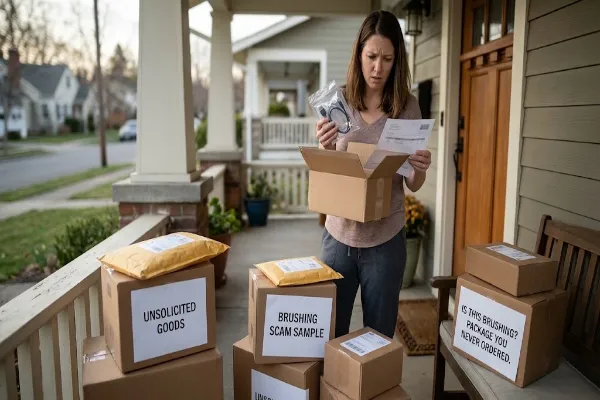
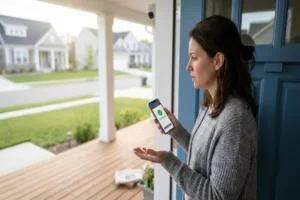
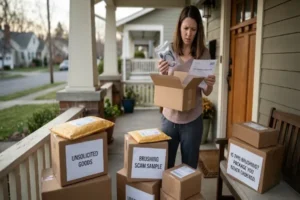
Imagine arriving home to find a package at your doorstep, even though you have not purchased anything recently. The parcel has your name and address on it, but you do not recognize the seller or remember placing an order. While it may seem like a simple delivery mistake, it could be an example of a practice known as brushing.
Brushing is a type of e-commerce scam in which sellers send unsolicited packages to people, often to create fake product reviews, manipulate marketplace ratings, or make their businesses appear more successful than they really are. Although recipients may not lose money directly, the practice raises concerns about privacy, online fraud, and the misuse of personal information.
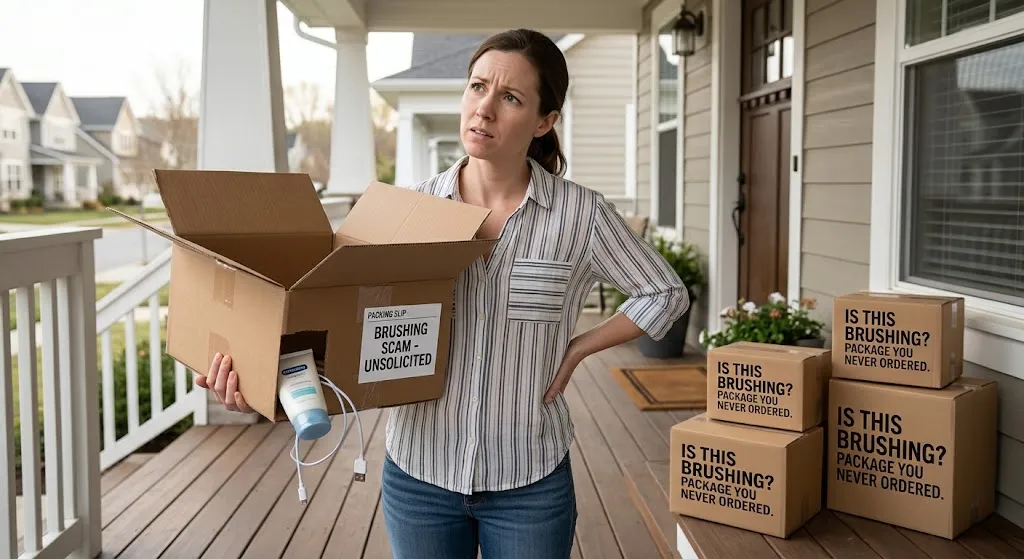
Understanding how brushing works, why it happens, and what to do when an unexpected package arrives can help you protect yourself from potential risks.
What Is Brushing?
Brushing is a deceptive online selling practice in which a seller sends merchandise to someone who did not order it. The recipient’s name and address may have been obtained from publicly available information, previous purchases, a data breach, or another source.
The main purpose is usually to manipulate an online marketplace’s review system. Many e-commerce platforms allow customers to leave reviews after a product has been delivered. Some platforms give additional credibility to reviews associated with verified purchases.
To exploit these systems, dishonest sellers may create fake customer accounts, use existing account information, or arrange deliveries to real addresses. Once the package is marked as delivered, they can post fraudulent positive reviews or otherwise inflate their product’s apparent sales performance.
The recipient becomes an unwitting participant in a transaction that they never initiated.
Brushing can occur on large online marketplaces and smaller e-commerce platforms. The package may contain inexpensive household items, accessories, beauty products, electronic gadgets, or other merchandise that is easy to ship.
Why Do You Receive Packages You Never Ordered?
There are several reasons why an unsolicited package may arrive at your home. Brushing is one possibility, but it is not the only explanation.
1. Sellers Want to Create Fake Reviews
The most common explanation for brushing is review manipulation. Positive reviews can influence purchasing decisions, improve product visibility, and help sellers compete with legitimate businesses.
By sending products to real addresses, dishonest sellers may attempt to make fake transactions appear genuine. They can then use those transactions to support misleading reviews or artificial sales figures.
These reviews create a false impression of product quality and customer satisfaction, potentially encouraging other consumers to make purchases they would otherwise avoid.
2. Your Personal Information May Have Been Exposed
Receiving an unexpected package can raise questions about how a seller obtained your name and address.
Personal information can circulate through various channels, including previous online purchases, compromised databases, third-party vendors, and unauthorized data sharing. In some cases, the information may have been exposed during a security incident.
However, receiving a brushing package does not automatically mean that your bank account or online shopping account has been hacked. A seller may have access to basic delivery information without having access to your passwords or payment details.
The important step is to determine whether the incident is isolated or accompanied by other suspicious activity.
3. Someone May Have Used Your Details Without Permission
Another possibility is that a third party used your name or address to create an account, arrange a delivery, or participate in a fraudulent transaction.
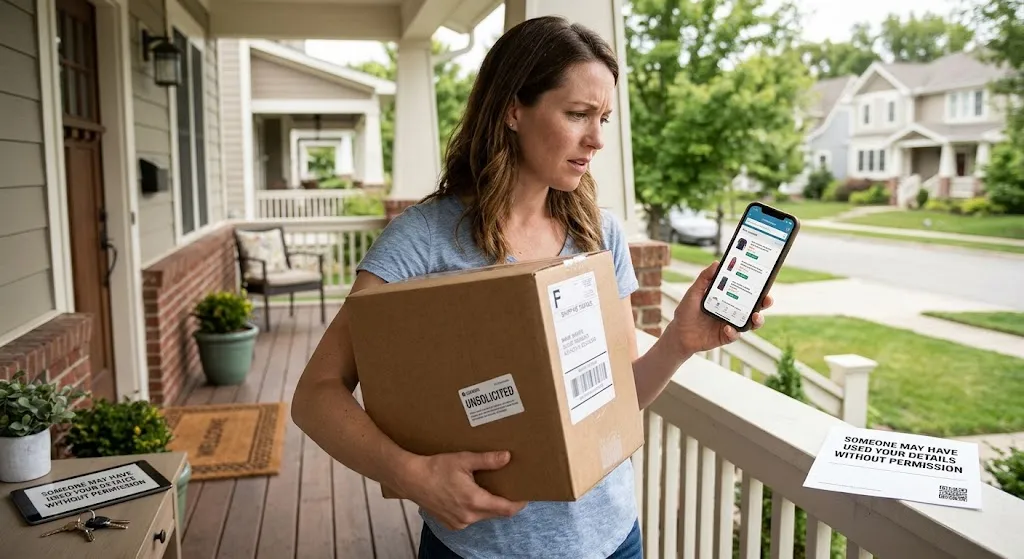
This does not necessarily mean that the person has stolen your financial information. Nevertheless, unexpected deliveries can be a reason to review your online accounts and check for unfamiliar purchases, account changes, or payment notifications.
If you find transactions you did not authorize, contact the relevant retailer or financial institution promptly.
4. It Could Be a Genuine Delivery Error
Not every unexpected parcel is connected to fraud. Retailers sometimes print incorrect shipping labels, confuse similar addresses, or send replacement items after a customer service error.
A family member, friend, or household member may also have ordered something without informing you.
Before assuming that a package is part of a scam, consider these ordinary explanations. If the parcel is addressed to someone else, avoid opening it and follow the delivery company’s instructions for handling misdelivered mail.
How Does a Brushing Scam Work?
Although the details vary, brushing schemes often follow a recognizable pattern.
Step 1: Personal information is obtained. A seller or another party acquires a person’s name and shipping address.
Step 2: An unsolicited package is sent. The seller arranges a shipment, sometimes using an account or transaction designed to appear legitimate.
Step 3: The delivery creates a record. The marketplace or shipping system records the parcel as delivered to a real address.
Step 4: The seller manipulates marketplace activity. The seller may post fake reviews, inflate sales figures, or use the apparent transaction to improve the product’s reputation.
Step 5: Other shoppers are misled. Artificially improved ratings can make the product look more popular or trustworthy than it actually is.
The recipient may never learn who arranged the delivery or whether the package was connected to a particular online marketplace.
Is Brushing Dangerous?
Brushing does not always result in direct financial loss for the recipient. In many cases, the seller pays the shipping costs and sends an inexpensive item without requesting payment.
Nevertheless, the practice should not be dismissed entirely.
Privacy concerns
The use of your personal details without permission may indicate that your information is being circulated or misused. Even if only your name and address are involved, it is reasonable to review your privacy and account security.
Possible identity fraud
In some circumstances, unsolicited packages may be connected to broader fraudulent activity. The delivery alone does not prove identity theft, but additional warning signs—such as unfamiliar account registrations, password-reset messages, or unauthorized purchases—deserve immediate attention.
Misleading online reviews
Brushing undermines trust in online shopping. Fake reviews make it harder for consumers to distinguish genuinely useful products from poor-quality merchandise promoted through deceptive methods.
Unexpected requests for payment
A brushing package should not require you to pay an unexplained delivery fee after it arrives. Be particularly cautious if someone contacts you demanding money, requesting your banking details, or directing you to an unfamiliar website to claim or return the item.
What Should You Do If You Receive a Package You Never Ordered?
If an unexpected package arrives, a few straightforward precautions can help you respond safely.
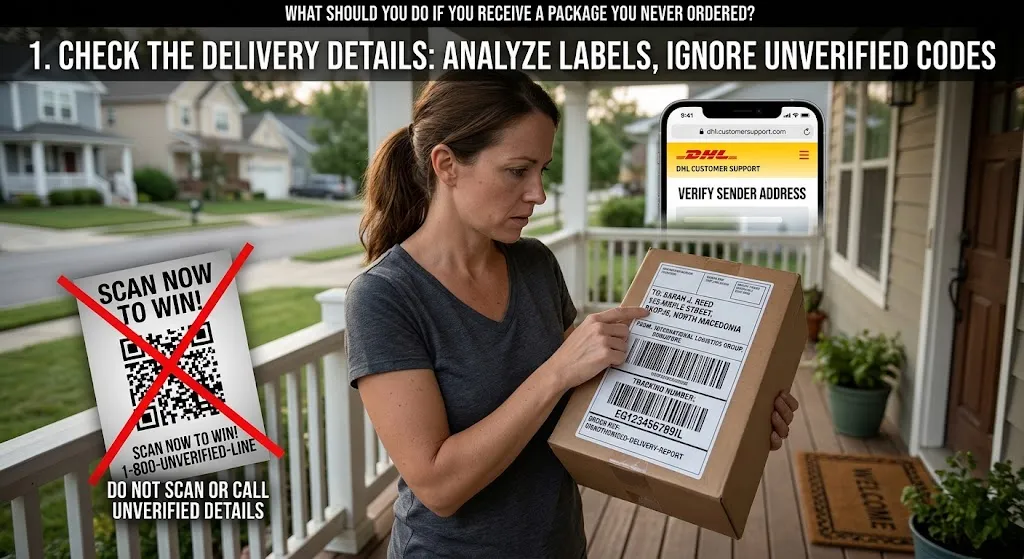
1. Check the Delivery Details
Examine the shipping label, sender information, tracking number, and any order reference included in the parcel.
Confirm that the package is addressed to you and check whether someone in your household might have ordered it. If you suspect a delivery error, contact the courier through its official website or customer service number.
Do not use unfamiliar contact details or QR codes printed on suspicious inserts without verifying them first.
2. Do Not Pay Unexpected Fees
If you did not place an order, do not automatically pay a delivery charge, customs fee, or other amount requested by an unfamiliar sender.
Legitimate international shipments can sometimes incur customs charges, but an unexpected payment request should be independently verified with the courier or relevant customs authority.
Never provide your card details or banking credentials simply to resolve an unexplained delivery.
3. Review Your Shopping Accounts
Check recent orders, payment histories, saved delivery addresses, and account activity on marketplaces where you shop.
If you find an unfamiliar purchase, report it to the platform and contact your payment provider if money has been taken without authorization.
Change your password if you suspect account compromise, and enable multifactor authentication where available.
4. Contact the Marketplace
If the package appears to have originated from a recognizable online marketplace, report the unsolicited delivery through its official support channel.
Provide the tracking number, seller information, and photographs of the shipping label if requested. The marketplace may be able to investigate whether the shipment is associated with fake reviews or suspicious seller activity.
You generally do not need to contact an unknown seller directly.
5. Keep a Record of the Package
Take photographs of the parcel, shipping label, and contents. Keep the tracking information and any related messages.
If more unsolicited packages arrive, a record of dates, senders, and tracking numbers may help identify a pattern and support a report to the marketplace or relevant consumer protection authority.
6. Be Careful With Returns
Do not scan unknown QR codes, follow suspicious links, or pay for a return label supplied by an unverified sender.
Whether you can keep, return, or dispose of an unsolicited item depends on the applicable laws and the circumstances of the delivery. If the package is addressed to another person or appears to involve a genuine shipping error, ask the courier or seller for instructions rather than assuming the item is yours to keep.
Should You Be Worried If You Receive Multiple Unordered Packages?
One unexpected package may have a simple explanation. Several packages arriving over a short period, especially from unrelated sellers, may warrant a closer look.
Repeated deliveries could indicate that your contact information is being used in a brushing campaign. They could also reflect a delivery problem or another form of unauthorized activity.
Start by checking your online shopping accounts and payment statements. Look for unfamiliar orders, password-reset requests, new accounts, or messages referring to purchases you never made.
If your financial accounts show no suspicious activity, there may be no evidence of direct financial theft. Even so, report repeated unsolicited deliveries to the relevant marketplace and consider contacting your local consumer protection authority if the behavior continues.
If you discover unauthorized financial transactions, contact your bank or card issuer immediately rather than waiting for the package investigation to finish.
How Can You Protect Yourself From Brushing Scams?
You cannot always prevent someone from obtaining your shipping address, but you can reduce the potential risks associated with unsolicited deliveries.
- Use strong, unique passwords. Avoid reusing the same password across shopping accounts, email services, and financial platforms.
- Enable multifactor authentication. An additional verification step can make it more difficult for unauthorized users to access your accounts.
- Limit unnecessary data sharing. Review the privacy settings of shopping websites and avoid providing personal information that is not needed for a purchase.
- Monitor account activity. Check order histories, payment notifications, and account security alerts regularly.
- Be skeptical of unexpected messages. A package may be followed by phishing emails or text messages claiming that you must pay a fee or verify your identity.
- Report suspicious sellers. Use official marketplace reporting tools to help prevent fraudulent sellers from misleading other customers.
- Avoid interacting with unknown senders. You do not need to click a link, scan a code, or disclose personal details to investigate an unsolicited parcel.
These precautions are useful beyond brushing. They also help reduce the risk of phishing, account takeover, and other forms of online shopping fraud.
Brushing vs. Other Package Scams
It is helpful to distinguish brushing from other suspicious delivery situations because the appropriate response may differ.
| Situation | What it usually means |
|---|---|
| Brushing scam | A seller sends an unsolicited product to manipulate reviews or sales activity. |
| Delivery error | A retailer or courier sends a package to the wrong person or address. |
| Unauthorized purchase | Someone uses your account or payment details to buy an item without permission. |
| Fake delivery-fee message | A scammer asks for payment or personal information through a fraudulent message. |
| Package theft or address misuse | Someone uses your address in connection with a delivery or removes a parcel intended for you. |
The distinction matters because a brushing incident may require a marketplace report and a security check, while an unauthorized purchase may require immediate action from your bank or payment provider.
Frequently Asked Questions
It depends on the circumstances and the laws that apply where you live. In some jurisdictions, consumers have specific protections against unsolicited merchandise, but those protections may not cover every type of delivery or a parcel mistakenly addressed to someone else. Check local consumer protection rules before deciding what to do.
No. Brushing may involve the misuse of your name and shipping address without access to your financial accounts. However, if you notice unfamiliar charges, account changes, or suspicious login alerts, investigate them immediately.
The seller may believe that the cost of sending inexpensive merchandise is worthwhile if it helps generate fake reviews, inflate apparent sales, or improve product visibility. The recipient is not necessarily expected to pay anything.
Yes. Brushing has been reported in connection with large e-commerce platforms as well as smaller marketplaces. The precise methods and platform policies vary, so suspicious deliveries should be reported through the marketplace involved.
Yes, particularly if you suspect brushing, receive repeated deliveries, or discover signs of unauthorized account activity. Contact the marketplace or courier through verified channels and retain relevant delivery information.
Not necessarily. Brushing traditionally refers to unsolicited deliveries intended to manipulate marketplace activity. A package may also contain a suspicious QR code or a message designed to steal information, but that is an additional potential threat rather than an essential part of brushing.
Final Thoughts
Receiving a package you never ordered can be confusing, especially when it contains an item you have no reason to expect. In many cases, the explanation may be a simple delivery error or an attempt by a seller to manipulate online reviews.
The most important thing is to avoid jumping to conclusions while taking sensible precautions. Check the delivery details, review your shopping accounts, avoid unexpected payment requests, and report suspicious activity through official channels.
An unsolicited package is not proof that your identity or bank account has been compromised, but it is a good reason to pay attention to your personal information and online security. A calm, careful response can help you determine what happened and reduce the risk of further problems.